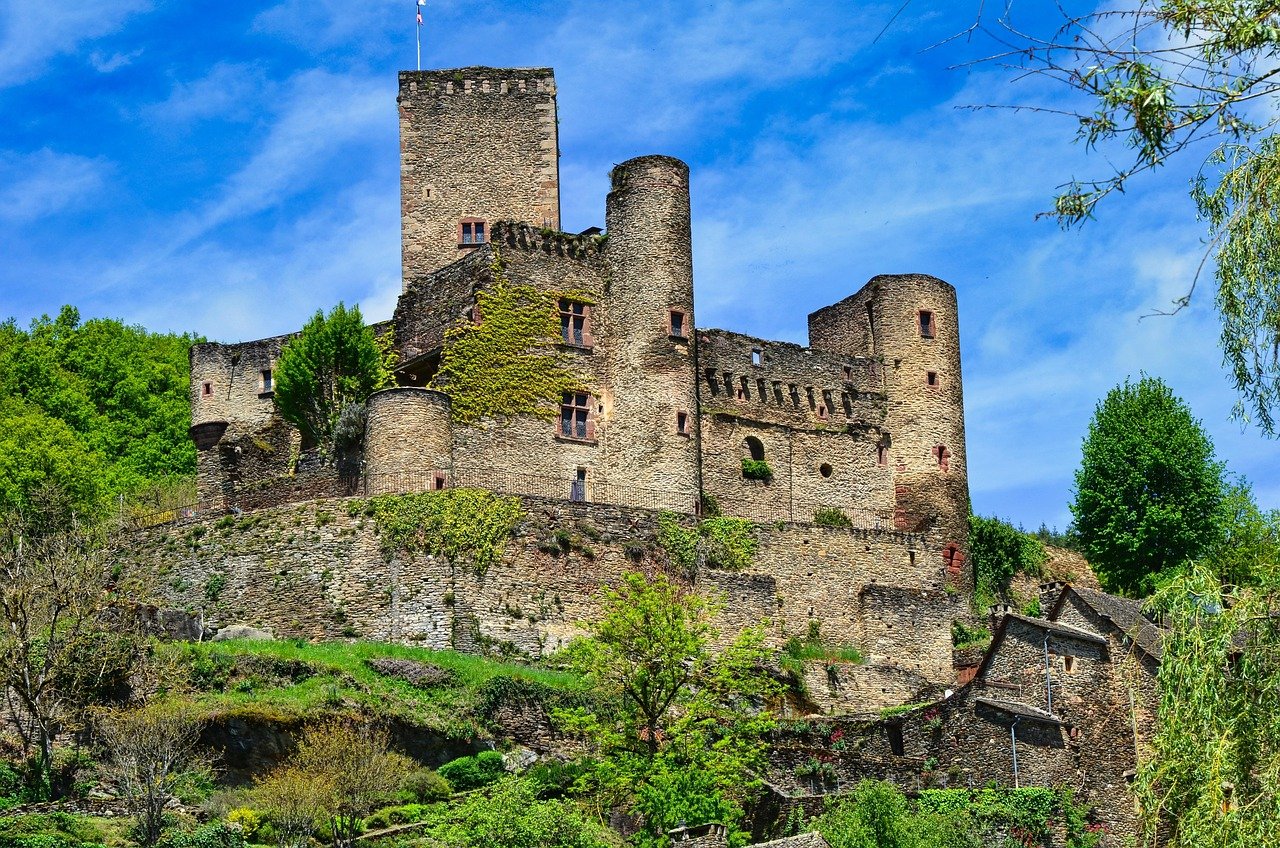
A Journey Beyond the Usual
When we think of Indian heritage, names like Taj Mahal, Hampi, or Jaipur’s forts usually come to mind. But India’s history is not just written in its UNESCO-listed marvels, it’s carved quietly into forgotten temples, buried beneath ancient trade routes, and whispered through weather-worn stepwells that few travellers ever see.
If you’re a curious traveller seeking hidden heritage destinations in India, there’s a whole world beyond the glossy tourist brochures. There are places where time slows down, crowds disappear, and every stone has a story to tell. Let’s embark on a journey across some of India’s most offbeat historical sites, and rediscover the beauty of our past before it fades away.
🪶 1. The Lost Fort of Gingee, Tamil Nadu
Nicknamed the Troy of the East, Gingee Fort near Villupuram is one of South India’s best-kept secrets. Built by the Chola dynasty and later fortified by the Vijayanagar rulers, its sprawling complex of three hilltop citadels connected by walls and moats is breathtaking, yet almost untouched by mass tourism.
Walk up the craggy granite hills to enjoy panoramic views, explore hidden chambers, and imagine centuries of battles and royal life. Visit early morning or late afternoon to escape the heat.
📍 Nearest City: Puducherry (38 km)
🕰 Best Time: November – February
💧 2. The Stepwells of Adalaj, Gujarat
Stepwells, or vavs, once served as vital water sources and social hubs. The Adalaj Vav near Ahmedabad is among the most exquisite examples, an architectural blend of Hindu and Islamic artistry.
Carved five stories deep into the earth, every pillar, niche, and corridor tells stories of devotion, drought, and design brilliance. Yet thousands pass through Ahmedabad without ever visiting it.
📍 Nearest City: Ahmedabad (18 km)
🕰 Best Time: October – March
🏺 3. Unakoti’s Rock-Cut Wonders, Tripura
Hidden amidst Tripura’s lush forests, Unakoti is home to hundreds of massive rock-carved faces and Hindu deities, believed to date back to the 7th–9th centuries. The legend says 99,99,999 gods stopped here on their way to Kashi, hence the name Unakoti (one less than a crore).
Few travellers venture this far east, but the mysticism of these carvings, half-claimed by roots and moss, is spellbinding.
📍 Nearest City: Kailashahar (8 km)
🕰 Best Time: November – April
🕉 4. Bateshwar Temple Complex, Madhya Pradesh
Near Morena, not far from Gwalior, lies the Bateshwar Temple Complex, a cluster of more than 200 sandstone shrines dedicated to Shiva and Vishnu. For centuries, the site lay in ruins until archaeologists painstakingly restored it stone by stone.
It’s surreal to stand among hundreds of miniature temples rising out of the scrubland. It’s a sight that rivals even Khajuraho in its serenity.
📍 Nearest City: Gwalior (40 km)
🕰 Best Time: November – February
🏯 5. Lonar Crater and the Daityasudan Temple, Maharashtra
Formed by a meteor impact over 50,000 years ago, Lonar Crater Lake in Maharashtra is one of only four hyper-velocity impact craters in basalt rock on Earth — and a geological wonder in every sense.
What makes it even more intriguing is its occasional color change. The lake’s water sometimes turns pink due to the growth of haloarchaea microbes in high salinity conditions, especially during warm, dry spells. This natural phenomenon gives the crater an almost otherworldly look that attracts scientists and photographers alike.
Around the rim of the crater stand ancient temples, the most famous being the Daityasudan Temple, dedicated to Lord Vishnu and built in the 12th century in the distinctive Hemadpanthi architectural style. The carvings depict mythological scenes, celestial beings, and motifs inspired by nature — making it a perfect mix of science, mythology, and art.
📍 Nearest City: Aurangabad (135 km)
🕰 Best Time: October – March
🏯 6. Barabar Caves, Bihar – India’s Oldest Rock-Cut Caves
Dating back to the 3rd century BCE, the Barabar Caves near Gaya are among the oldest surviving rock-cut caves in India, associated with Emperor Ashoka and the Ajivika sect. Their perfectly polished interiors and echoing chambers are engineering marvels.
These caves influenced later Buddhist and Jain architecture across India, yet remain remarkably off the beaten path.
📍 Nearest City: Gaya (24 km)
🕰 Best Time: November – February
🌉 7. The Ancient Port of Muziris, Kerala
Long before Goa or Cochin rose to fame, Muziris was a bustling port connecting India to Rome, Egypt, and Greece. Today, the Muziris Heritage Project in Kerala is reviving this forgotten trade route through restored spice markets, synagogues, and churches that trace centuries of cultural exchange.
It’s a unique trail that blends archaeology, history, and contemporary community tourism.
📍 Nearest City: Kochi (35 km)
🕰 Best Time: August – March
🌄 Why Explore Hidden Heritage Sites?
Beyond avoiding the crowds, hidden heritage travel supports local communities, reduces over-tourism at popular sites, and deepens your connection with India’s layered identity. Each forgotten fort or temple preserves not just stones, but stories, of forgotten dynasties, lost languages, and ordinary people who built extraordinary monuments.
By visiting them responsibly, you help keep these stories alive.
📸 Tips for Exploring India’s Hidden Heritage
- Plan ahead: Some sites have limited connectivity or visitor facilities. Carry water, snacks, and a local map.
- Hire local guides: They often know oral histories and legends not found online.
- Travel responsibly: Avoid littering, touching carvings, or removing artifacts.
- Document & share: Post about these lesser-known sites, your post might inspire someone else’s journey!
🌏 Conclusion – Let the Past Whisper Again
India’s heritage isn’t confined to palaces and monuments in guidebooks. It thrives in remote hills, quiet temples, and the faint outlines of ancient cities reclaimed by time. Exploring these hidden heritage trails is like holding history in your hands; raw, real, and humbling.
So next time you plan a getaway, skip the usual and let the forgotten corners of India surprise you.
Pack your curiosity. Trace the stories time forgot. Start your hidden heritage trail today.
Happy exploring!!
Leave a Reply